Why Your Gimbal Setup Might Be Holding You Back
In 2026, the world of videography has evolved significantly, with tools and technology that empower creators to produce stunning visuals. However, many enthusiasts and professionals still face challenges with their gimbal setups. These challenges can hinder creativity and affect the overall quality of the footage. Understanding the intricacies of gimbal technology and its optimal use is essential for anyone looking to enhance their videography skills this 2026.
Understanding Gimbal Technology
Gimbals are essential tools for stabilizing camera movements, allowing for smooth and professional-looking shots. In 2026, advanced gimbal technology has made it easier than ever to capture dynamic footage, but it also demands a deeper understanding of its mechanics. Many users may not realize that improper setup or misuse of gimbals can lead to frustrating limitations in their creative workflow.
Types of Gimbals and Their Functions
In 2026, there are several types of gimbals available in the market, each catering to different needs and styles of videography. These include handheld gimbals, drone-mounted gimbals, and even smartphone gimbals.
- Handheld Gimbals: Ideal for dynamic shooting scenarios, these gimbals are designed for easy maneuverability and are perfect for capturing action sequences.
- Drone-Mounted Gimbals: These are crucial for aerial videography, providing stability during flights and enabling smooth transitions and dramatic angles.
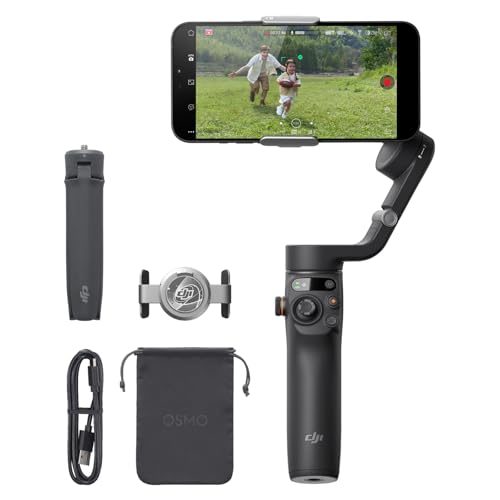
- Smartphone Gimbals: Compact and versatile, these gimbals allow content creators to enhance their mobile videography.
Understanding the purpose of each type can help users select the right gimbal for their specific needs. However, even the most advanced gimbal can fall short if not set up correctly.
Common Setup Mistakes to Avoid
Many videographers in 2026 still make critical errors during the setup of their gimbals. These mistakes can lead to suboptimal performance and frustrating shooting experiences. One common issue is failing to balance the camera correctly on the gimbal. A well-balanced gimbal allows for smoother movements and better stabilization.
People Also Look For:
- AOCHUAN Gimbal Stabilizer for iPhone, 3-Axis Phone Gimbal with AI Tracking Sensor, Gimbal with Focus Wheel for iPhone/Android, Pho...
- WEIIBDIE Gimbal Stabilizer for Smartphone,Selfie Stick for iPhone Tripod with Fill Light and Wireless Remote Control,1-Axis Phone ...
- hohem iSteady XE Kit Gimbal Stabilizer for Smartphone 3-Axis Cell Phone Handheld Gimbal with Fill Light,Stabilizer for iPhone&Andr...
- AOCHUAN Gimbal Stabilizer for iPhone, Sefie Stick Tripod with Auto Face Tracking for TiK Tok YouTube Video Recording, 4 in 1 Gimba...
- FeiyuTech SCORP Mini 3 Gimbal Stabilizer for iPhone & Android, Built-in AI Tracking Module & Cooling Fan, 2KG Payload 3-Axis Phone...
Checking Balance and Weight Distribution
When setting up a gimbal, it is vital to ensure that the camera is properly balanced. An unbalanced setup can lead to jerky movements and can even strain the motors of the gimbal. To avoid this, follow these steps:
- Mount the camera securely onto the gimbal.
- Adjust the tilt and roll axes until the camera remains level without any input.
- Test the pan axis to ensure it rotates smoothly without resistance.
Taking the time to balance the camera correctly can significantly enhance the effectiveness of the gimbal.
Calibration and Firmware Updates
In 2026, gimbal manufacturers regularly release firmware updates to improve performance and address issues. Many users overlook these updates, which can lead to performance setbacks. Regularly checking for updates and calibrating the gimbal according to the manufacturer's instructions is crucial. This process can enhance tracking efficiency, responsiveness, and overall stability.
Enhancing Creative Potential with Proper Techniques
Once the gimbal is set up correctly, the next step is to employ techniques that maximize its potential. Many creators in 2026 are still unaware of how to use their gimbals to their fullest extent. Techniques such as dynamic movements and creative angles can elevate footage dramatically.
Dynamic Movements for Engaging Footage
Utilizing dynamic movements can transform standard shots into visually captivating sequences. Techniques like the 'reveal shot,' where the camera moves to unveil a subject or scene, can create a sense of anticipation. Another effective technique is the 'tracking shot,' where the gimbal follows a moving subject smoothly, providing a sense of fluidity and engagement.
Exploring Unique Angles and Perspectives
Experimenting with different angles can bring freshness to the footage. In 2026, low-angle shots and high-angle perspectives are gaining popularity for their ability to change the viewer's perception. Using a gimbal to achieve these angles can maintain the stability that is crucial for professional results. For instance, a low-angle shot can make a subject appear more powerful, while a high-angle shot can evoke vulnerability.
Integrating Gimbals with Other Equipment
In 2026, many videographers are integrating gimbals with other equipment to create a more cohesive shooting experience. This integration can include using drones, sliders, and even tripods alongside gimbals to enrich the footage. Understanding how to effectively combine these tools can elevate the quality of the final product.
Using Drones for Aerial Shots
Drones equipped with gimbals can capture breathtaking aerial shots that are increasingly popular in various genres of videography. The combination allows for smooth transitions between ground level and aerial perspectives, providing a comprehensive storytelling experience. However, it is essential to ensure that both the drone and the gimbal are calibrated correctly to avoid any issues during flight.
Combining Gimbals with Sliders
Using a slider in conjunction with a gimbal can add another layer of movement to your shots. This technique allows for intricate movements that are not only stable but also visually striking. By mastering both tools, videographers can create a variety of engaging sequences that keep the audience captivated.
In 2026, understanding the full capabilities of your gimbal setup is crucial for any videographer looking to push their creative boundaries. By avoiding common pitfalls and employing effective techniques, creators can unlock the potential of their gear and elevate their storytelling.
As technology continues to evolve, staying informed about advancements and best practices in gimbal use is essential. This knowledge not only enhances the quality of the footage but also enriches the entire creative process, allowing for innovative storytelling that resonates with audiences.

![ZHIYUN Smooth-5S AI Pro[Official] AI Smartphone Gimbal, Gimb](https://m.media-amazon.com/images/I/41YEv1iDGWL._SL500_.jpg)