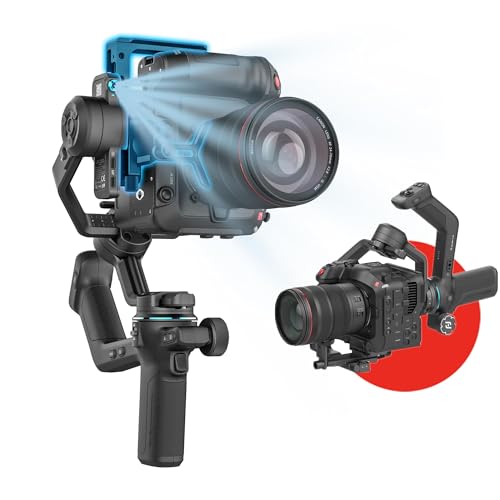
keeping your gimbal in top shape for optimal performance
Gimbals have revolutionised the way we capture smooth and stable footage, making them essential tools for filmmakers and content creators alike. As we advance into 2026, ensuring your gimbal remains in optimal condition is paramount for achieving professional results. This guide will provide you with practical advice on maintaining your gimbal for peak performance, ensuring it serves you well for many projects to come.
Regular Cleaning
Keeping your gimbal clean is vital for its performance. Dust and grime can accumulate, affecting the motors and sensors. Use a soft, lint-free cloth to wipe down the exterior, paying special attention to the grip and any buttons. For the motor arms, use a compressed air canister to blow away any debris. Avoid using harsh chemicals that can damage the gimbal’s finish.
Inspecting the Firmware
Manufacturers frequently release firmware updates to improve performance and fix bugs. Regularly check the manufacturer's website or their official app for the latest firmware updates. Keeping your software current will ensure your gimbal operates smoothly and benefits from the latest features. Before updating, read the change logs to understand the improvements being made.
People Also Look For:
- Hohem iSteady V3 Ultra Gimbal Stabilizer for iPhone, 3-Axis Phone Gimbal, Magnetic AI Tracker, Built-in Extendable Rod & Tripod, 1...
- Gimbal Stabilizer for Smartphone w/LED Light Face Tracking Inception Timelapse Handheld Foldable 3-Axis Gimble for iPhone 14 13 12...
- DJI OM 5 Smartphone Gimbal Stabilizer, 3-Axis Phone Gimbal, Built-In Extension Rod, Portable and Foldable, Android and iPhone Gimb...
- Gimbal Stabilizer for Smartphone,Selfie Stick Tripod with Remote,Auto Balance 360° Rotation, 1-Axis Phone Gimbal for Iphone Live ...
- AOCHUAN 1.7M Complete Camera Tripod for Smartphones Camera Gimbal Stabilizers w/ 0.44m ~1.7m Aluminum Alloy Lighting Stand(T20)
Battery Maintenance
Battery health is crucial for optimal gimbal performance. Always use the recommended batteries for your model. Avoid letting your battery drain completely; instead, aim to recharge it when it reaches around 20 percent. For long-term storage, remove the battery and store it in a cool, dry place, ensuring it is charged to about 50 percent. This practice extends the lifespan of the battery and avoids potential damage.
Careful Handling
Physical care is just as important as routine maintenance. Always handle your gimbal with care, avoiding unnecessary drops or bumps. When transporting it, use a padded case to protect it from impacts. If you're filming in challenging environments, consider using a protective cover to shield it from the elements, such as rain, sand, or extreme temperatures.
Calibration Checks
Regularly calibrating your gimbal is essential for maintaining accuracy and stability. Most gimbals have a built-in calibration function accessible through the app or onboard menu. Perform a calibration check after major adjustments or if you've noticed performance issues. Ensure the gimbal is on a flat surface during calibration for the best results.
Motor Maintenance
Over time, the motors can accumulate dust and debris, affecting performance. Gently clean the motors with a soft brush, ensuring no debris is lodged within. If you notice unusual sounds or inconsistent movements, it may indicate a problem. Consult the user manual or reach out to customer support for advice on troubleshooting motor issues.
Avoiding Overloading
Every gimbal has a specific weight limit for camera gear. Overloading your gimbal can lead to motor strain and eventual failure. Always check the specifications of your gimbal and ensure that the camera and accessories you are using do not exceed this limit. If you need to use heavier equipment, consider upgrading to a gimbal designed for larger loads.
Storing Your Gimbal Properly
When not in use, store your gimbal in a cool, dry place, avoiding direct sunlight or extreme temperatures. If your gimbal comes with a carrying case, use it to protect your device from dust and damage. Ensure that the gimbal is powered down and the battery is removed for long-term storage.
![[OFFICIAL] Feiyutech SCORP Mini 3 Pro [Combo] 3 Axis AI Trac](https://m.media-amazon.com/images/I/41oTs5STBML._SL500_.jpg)