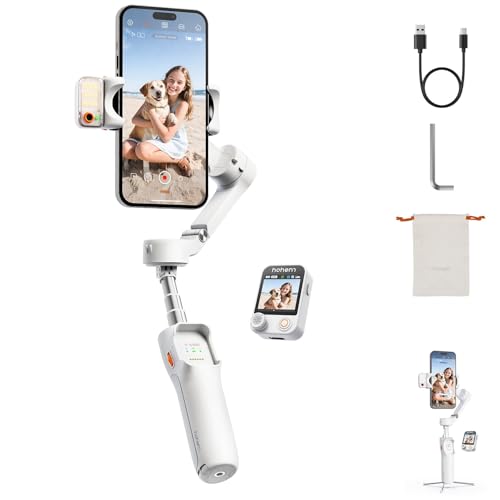
how gimbals enhance stability and creativity in videography
In the ever-evolving world of videography, maintaining stability while capturing creative shots is essential. Gimbals have become a game changer in this realm, allowing videographers to produce smooth, cinematic footage regardless of movement or terrain. As we navigate through 2026, it is imperative to understand how gimbals can not only enhance stability but also fuel creative expression.
Understanding Gimbals
A gimbal is a pivoted support that allows the rotation of an object about a single axis. In videography, it stabilises cameras by counteracting unwanted movements, which is crucial for achieving professional-quality footage. Gimbals come equipped with motors and sensors that work together to detect motion. They adjust the camera's position in real-time, ensuring a stable shot even when the videographer is in motion.
Enhanced Stability
One of the most significant benefits of using a gimbal is the enhanced stability it provides. Traditional handheld shots often suffer from shakes and jitters, especially when the videographer is walking or running. Gimbals eliminate these issues by maintaining an even level of stability. This allows for fluid camera movements and smooth transitions, essential for storytelling in any video project.
People Also Look For:
- DJI OSMO Mobile SE smartphone gimbal, 3-axis stabilization, handy and foldable, Android and iPhone gimbal with ShotGuides, smartph...
- hohem iSteady Mobile Plus Kit Smartphone Gimbal Stabilizer,3-Axis Phone Gimbal w/Fill Light,360° Infinite Rotation,Max Payload 28...
- SRIKEKL Gimbal Stabilizer for Smartphone,Selfie Stick Tripod with Remote Control,Auto Balance 360° Rotation, 1-Axis Phone Gimbal ...
- Aochuan Smart X Pro The Ultimate Smartphone Gimbal Stabiliser | Iphone or Android | 3-Axis Handheld Stabilizer with Attachable Tri...
- The Complete DJI Mini 4K Drone User guide : Master 4K Aerial Photography, 3-Axis Gimbal Stabilization, Long-Distance Flight, Intel...
Types of Gimbals
There are various types of gimbals available, including handheld, smartphone, and rig-mounted options. Handheld gimbals are the most popular among independent filmmakers due to their portability and ease of use. Smartphone gimbals are designed for mobile videographers who want to capture high-quality footage without bulky equipment. Rig-mounted gimbals are more suitable for larger camera setups, providing maximum stability for professional shoots.
Creativity Unleashed
Gimbals not only enhance stability but also unlock new creative possibilities. With a gimbal, videographers can experiment with dynamic shots that were previously challenging to achieve. For instance, the ability to walk alongside a subject while maintaining a steady shot allows for immersive storytelling. Additionally, gimbals make it easier to implement complex movements, such as crane shots and tracking shots, which can dramatically enhance the visual appeal of a video.
Practical Tips for Using Gimbals
To maximise the benefits of a gimbal, consider the following practical tips. Firstly, ensure that the gimbal is properly balanced before use. An unbalanced gimbal can lead to poor performance and battery drain. Secondly, practice different movements and techniques to find what works best for your style. Don’t shy away from experimenting with slow-motion shots or time-lapses, as gimbals can greatly enhance these effects.
Accessories to Consider
Complementing your gimbal with the right accessories can further enhance your videography. A lens with a wider aperture can provide beautiful background blur and depth of field, making your shots more engaging. Additionally, consider using an external monitor for better visibility and framing, especially when shooting from challenging angles. Finally, investing in a sturdy tripod can provide stability during stationary shots when combined with a gimbal.
Final Thoughts
Gimbals are not just tools for stabilisation; they are essential creative partners for videographers. By leveraging the capabilities of a gimbal, you can produce visually stunning content that resonates with your audience. As technology continues to evolve, staying ahead of the curve with equipment like gimbals will ensure your work stands out in a competitive landscape.